When the Best Women’s Curling Team Can’t Represent Canada
In curling, the path has always been simple. Win the national championship and you earn the right to represent your country at the World Championship.
But in 2026, Canada’s most dominant women’s team never even got the chance. Not because they lost, but because they were not allowed to compete in the qualifier.
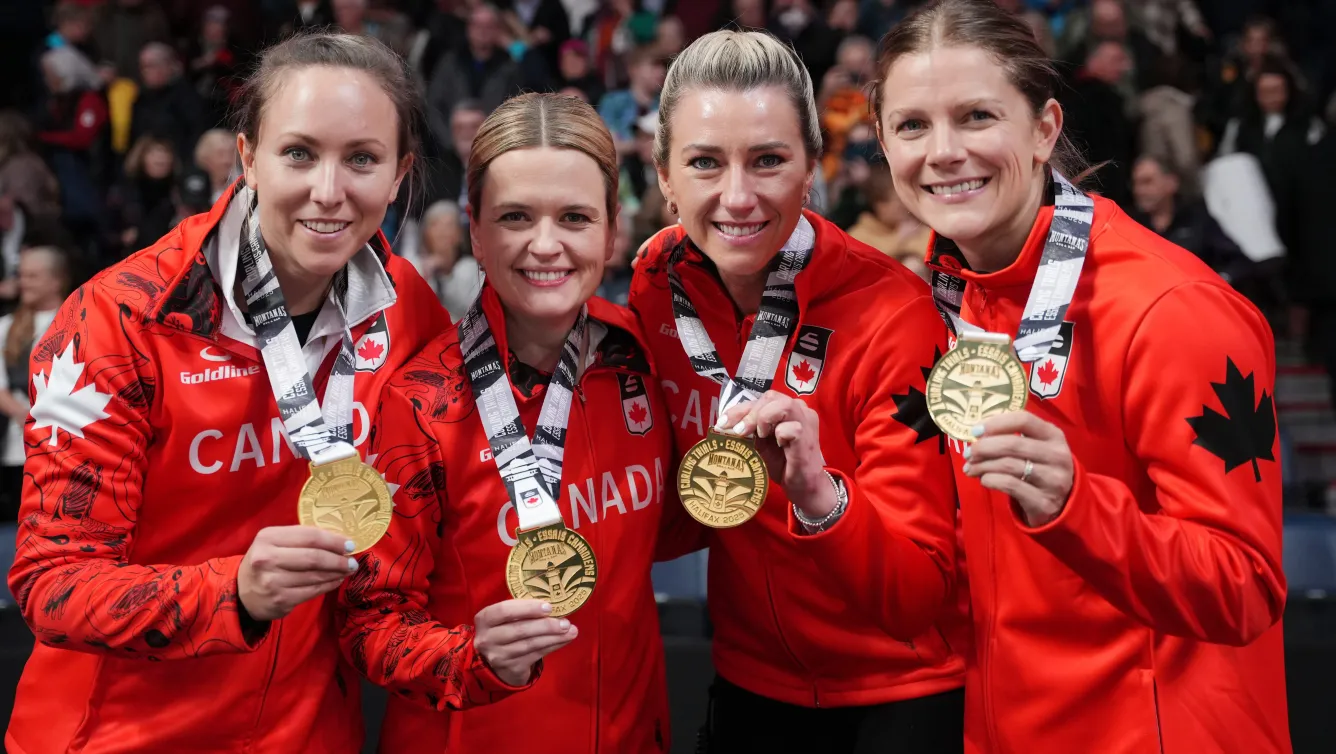
Team Homan, the defending Scotties champions and one of the top ranked teams in the world, did not play in the Scotties Tournament of Hearts. That meant they could not qualify to represent Canada at the Women’s World Championship in Calgary.
The reason was a decision by Curling Canada tied to the Olympic schedule, and it has sparked debate across the curling world.
The Olympic Conflict
In 2026, the Scotties were scheduled very close to the start of the Winter Olympics in Cortina, Italy.
Team Homan had already earned the right to represent Canada after winning the Olympic Trials in November. But afterwards, Curling Canada made a decision that the Olympic team should not compete in the Scotties because of the tight timeframe before the Olympics began.
Their concern was that playing a ten day national championship right before the Olympics could leave the team tired and not fully prepared for the most important event of the four year cycle.
So came the decision. The Olympic team would not be allowed to play in the Scotties and focus entirely on preparing for the Olympics. From an Olympic preparation standpoint, the decision makes some sense. But it also created a major problem.
In Canada, the winner of the Scotties becomes Team Canada at the Women’s World Championship. Since Team Homan did not play in the Scotties, they had no path to qualify for Worlds.
That means the defending national champions could not represent Canada at the World Championship. Not because they lost, but because they were not allowed to compete.
For many curling fans, including myself, that feels off.
The Players Had No Choice
Team Homan were not given a voice in the decision. Emma Miskew said publicly that the team was told they would not be playing in the event. It was not presented as a choice. As Team Ontario, at a Scotties located in Mississauga, Ontario, their family, friends and fans were looking forward to cheering on their home team.
That is part of what made the situation controversial. If the athletes had chosen to skip the Scotties themselves, most fans would understand. But when the decision is made for the players, it raises more questions.
Canada’s system is also different from many other curling nations. Some countries schedule their national championships after the Olympics. Others allow their Olympic teams to compete in both events. In some cases teams have even played their national playdowns shortly after returning from the Olympics.
Because of this, the top teams in those countries still have the opportunity to qualify for the World Championship. Seem fair? Not if you’re Team Homan.
A System Worth Revisiting
This situation has also reopened a conversation that has existed in curling for years.
Many players have pointed out that scheduling challenges often affect the women’s championship more than the men’s. In some Olympic cycles, the men’s team has been able to compete in the Brier and still go on to the Olympics, while the women’s Olympic team has often been forced to skip the Scotties.
This year the Brier immediately followed the Olympics, allowing Team Jacobs to represent Canada in both events.
Whether that difference is intentional or simply the result of scheduling decisions is still debated. But the result is clear. Canada’s best women’s team did not get the chance to represent their country at the World Championship.
Team Homan went on to compete and win a Bronze at the Olympics, while Team Einerson earned the right to represent the country at the World Championships by winning the Scotties. But the situation still leaves many curling fans wondering if the system worked the way it should.
Should Canada’s Olympic team have had the option to compete in the Scotties if they wanted to? Or should the schedule be adjusted so the country’s best team always has a chance to qualify for Worlds? Even more, should the men’s and women’s teams be afforded the same opportunities to represent their country at world curling events?
It is a question Curling Canada may need to answer before the next Olympic cycle.
Don’t Miss a Shot!
Get the latest on new designs, promotions, and curling-related content—delivered straight to your inbox.